
Low Ferritin vs Anemia: Understanding Your Child’s Iron Labs
In our work with children who have selective or limited eating patterns, we sometimes see nutritional gaps develop over time. One of the more common ones is low iron, which can eventually lead to iron deficiency anemia.
For many parents, hearing that their child is anemic can feel confusing or even alarming. Questions often come up right away: What does this mean? Is my child getting enough nutrients? How serious is it? What foods will they actually eat that contain iron?
The good news is that iron deficiency is common, treatable, and often very manageable with the right combination of medical care, nutrition support, and practical food strategies that work for your child’s preferences and sensory needs.
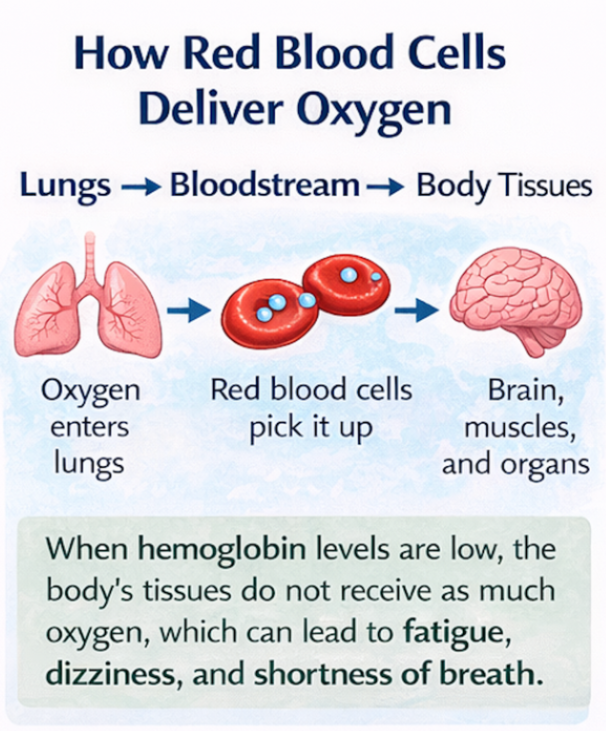
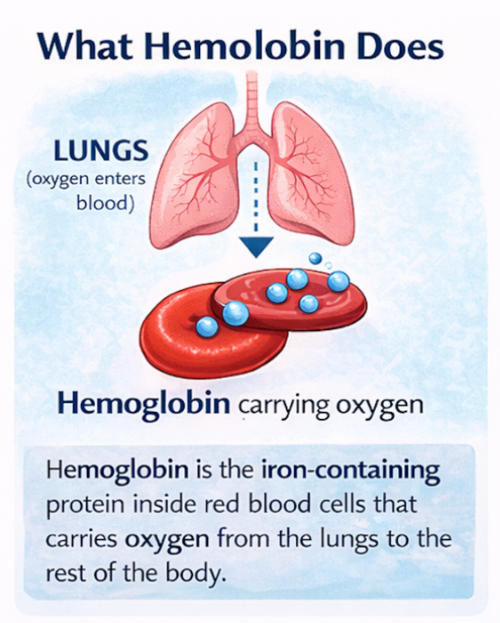
Your body needs oxygen to produce energy and keep organs, muscles, and the brain working properly. Oxygen enters the body through the lungs and then travels through the bloodstream to reach every cell. Special cells in the blood called red blood cells carry this oxygen. Inside each red blood cell is a protein called hemoglobin, which binds to oxygen and transports it from the lungs to the rest of the body.
Iron is an essential part of hemoglobin. Without enough iron, the body cannot make enough hemoglobin to carry oxygen efficiently. When oxygen delivery becomes limited, people may begin to feel tired, short of breath, or have difficulty concentrating. Parents may notice signs such as increased fatigue, pale skin, headaches, feeling cold more often, or difficulty concentrating, although some children with low iron may have very subtle symptoms.
The next sections explain what happens when iron levels become low and how this can lead to iron deficiency and anemia.
Iron Deficiency vs. Iron Deficiency Anemia
Iron deficiency develops gradually. A person can have low iron stores for a while before anemia develops.
The Key Difference
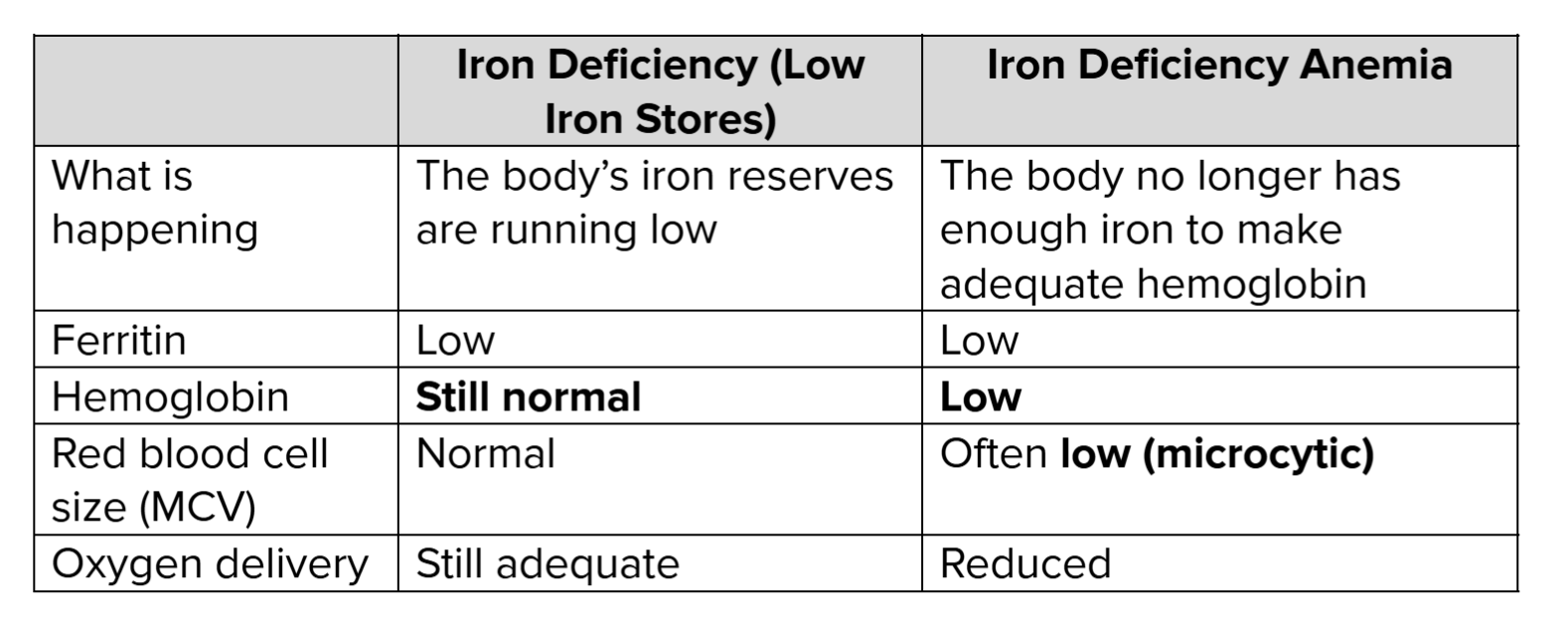
Table 1. Comparison between common lab values evaluated in iron deficiency and iron deficiency anemia.
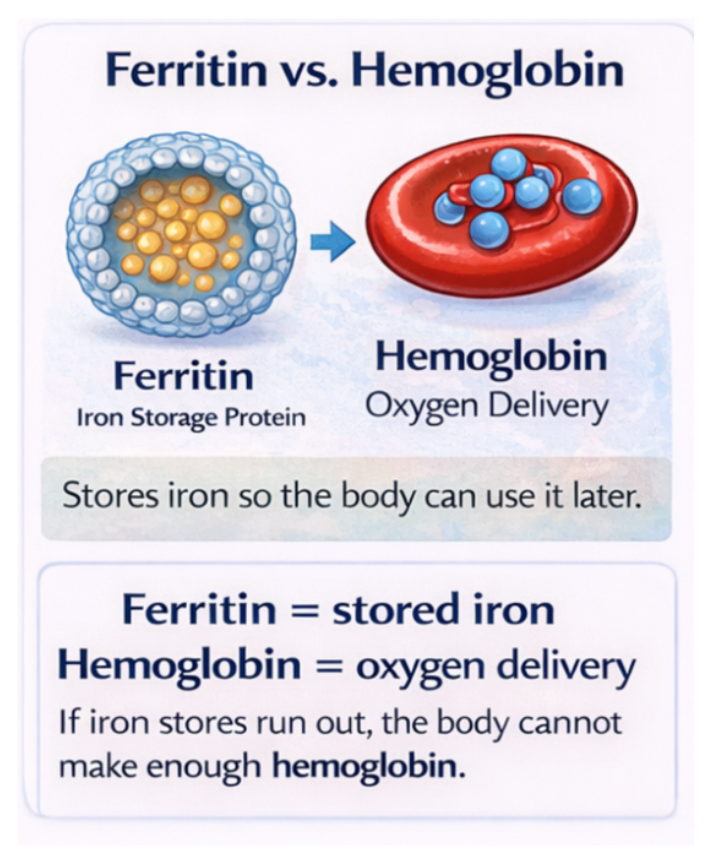
Simple way to think about it:
Ferritin = the body's iron storage tank
Hemoglobin = the body's oxygen delivery system
You can have a low tank without the oxygen system failing yet, but if the tank stays empty long enough, anemia develops.
What the Labs Show
Below are the key labs used to evaluate iron status.
Ferritin
What it is: Ferritin reflects the body’s stored iron supply.

Ferritin is usually the first lab to drop when iron stores are depleted.
Serum Iron
What it is: Measures the amount of circulating iron in the bloodstream at the time of the test.

Serum iron can fluctuate throughout the day and is interpreted with other labs.
TIBC (Total Iron Binding Capacity)
What it is: Indicates how strongly the body is trying to bind and transport iron.

When iron is low, the body increases TIBC in an attempt to capture more iron.
Transferrin Saturation
What it is: Shows what percentage of the iron transport protein (transferrin) is carrying iron.

Low saturation means there is not enough iron available to load onto transferrin.
Hemoglobin (Hgb)
What it is: The iron-containing protein in red blood cells that carries oxygen throughout the body.

A low hemoglobin level is what defines anemia.
Hematocrit (Hct)
What it is: Measures the percentage of blood made up of red blood cells.

Hematocrit typically falls along with hemoglobin in anemia.
MCV (Mean Corpuscular Volume)
What it is: Measures the average size of red blood cells.

In iron deficiency anemia, red blood cells become smaller than normal (microcytic).
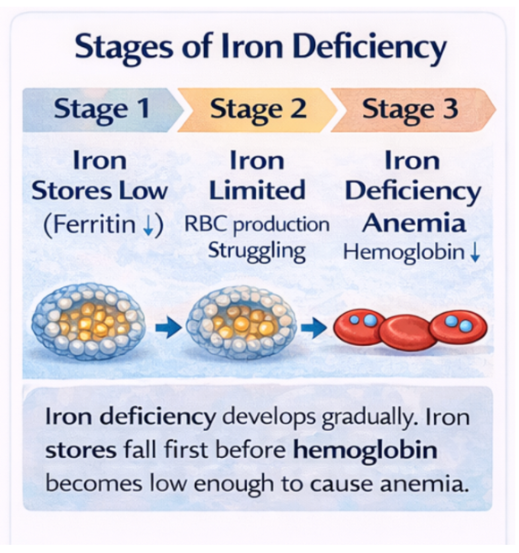
Typical Progression
Stage 1
Ferritin drops
Stage 2
Iron transport markers change (serum iron, transferrin saturation, TIBC)
Stage 3
Hemoglobin drops → Iron deficiency anemia
What To Do If Iron Stores Are Dropping (Before Anemia)
If ferritin is low but hemoglobin is still normal, the goal is to rebuild iron stores before anemia develops.
Common strategies include supplementation and increasing iron rich foods. For supplementation, liquid, powdered or chewable options such as NovaFerrum and Ella Ola can be a more tolerable option if taste or swallowing are barriers.
For children with selective eating, the goal is not to suddenly introduce a long list of new foods, but to build on foods that already feel familiar and safe. Fortunately, some commonly accepted kid foods contain meaningful amounts of iron.
Fortified Cereals (often easiest entry point)
Many breakfast cereals are heavily fortified with iron and can provide a large portion of a child’s daily needs.
Kid-friendly options include:
Total cereal (very high in iron)
Original or Multigrain Cheerios
Wheat, Corn or Rice Chex
Life cereal
Kix
Special K
Frosted Mini Wheats
These can be eaten dry as a snack if pairing with milk is not preferred.
Familiar Meals That Provide Iron
Hamburgers
Beef tacos
Meatballs
Spaghetti with meat sauce
Sloppy joes
Beef quesadillas
For some children, ground beef is easier to accept than other meats because of its softer texture.
Bread and Grain Foods
Many everyday grain products are iron-fortified, meaning iron is added during processing (check the label)
These can include:
Sandwich bread
Bagels
English muffins
Tortillas
Crackers
Pasta
Pancakes
Waffles
If a child already eats these foods regularly, they may be getting more iron than parents realize.
Pairing iron-containing foods with vitamin C foods (like strawberries, oranges, or tomato sauce) can help the body absorb iron more efficiently.
What To Do If Iron Deficiency Anemia Is Present
If anemia has developed, treatment usually includes iron supplementation plus dietary changes.
Common steps:
Doctor-prescribed iron supplements which are typically at a much higher dose than what is found over the counter or in multivitamins.
Typical Pediatric Dosing
3–6 mg/kg/day elemental iron
For older kids/adolescents, a 325 mg Ferrous sulfate pill is often recommended which is equal to 65 mg elemental iron.
These provide more iron than food alone and help rebuild hemoglobin. It is still recommended to continue iron-rich foods and vitamin C and to get regular blood tests to monitor improvement.
Treatment often continues for 2–3 months after hemoglobin returns to normal so the body can fully rebuild iron stores.
Hearing that your child has low iron or anemia can feel concerning, but it is a very common and treatable issue. With the right support and a few practical nutrition strategies, most children can rebuild healthy iron levels over time.